Spring Herb Trimming Services for Seasonal Refreshment
Explore local contractors who can expertly handle herb trimming to refresh your garden and support healthy, vibrant plant growth this spring.
Spring is often considered an ideal time to focus on herb trimming projects, as the season marks a period of active growth and renewed plant vitality. As temperatures rise and daylight hours increase, many property owners see spring as the perfect opportunity to prepare their gardens and outdoor spaces for the warmer months ahead. Trimming herbs during this season can promote healthy growth, improve air circulation, and help maintain the desired shape and size of herb plants. Engaging with local contractors during spring can ensure that herb trimming is scheduled at a time when plants are most responsive, leading to a more lush and productive herb garden throughout the season.
Typically, herb trimming services cover a range of tasks aimed at maintaining plant health and aesthetic appeal. This includes removing dead or overgrown stems, shaping herbs to encourage even growth, and thinning out dense foliage to improve sunlight exposure and airflow. Proper trimming can also prevent pests and diseases from taking hold, contributing to the overall vitality of the garden. Local service providers are equipped to handle various herb types, ensuring that each plant receives tailored care based on its specific growth habits and needs. Many property owners turn to experienced contractors to help manage the seasonal pruning that keeps herb gardens thriving.
When exploring options for herb trimming services, property owners can compare local contractors by considering factors such as experience, reputation, and the scope of services offered. It’s helpful to review any available information about their previous work, including customer feedback or portfolios, to gauge their expertise in herb care. Additionally, understanding the range of services provided can help identify providers who can address specific needs, whether it’s routine trimming or more extensive garden shaping. Consulting multiple local contractors allows property owners to make informed decisions based on the quality of service, professionalism, and the ability to meet individual garden goals.
Compare local contractors' expertise and experience to find the best fit for your spring herb trimming needs.
- Expert Herb Trimming Services - Local contractors can help maintain healthy and well-shaped herbs for seasonal growth.
- Seasonal Herb Care - Professionals can assist with trimming techniques suited for spring rejuvenation.
- Customized Herb Maintenance - Service providers can tailor trimming to support the specific needs of different herb varieties.
- Spring Herb Refresh - Local experts can help prepare herbs for the upcoming growing season with professional trimming.

Before choosing a service provider, clearly describe your herb trimming project and compare local contractors' options.
- Assess herb growth to identify overgrown or leggy plants that need trimming. - Look for signs of uneven or excessive growth that can benefit from shaping.
- Determine which herbs require deadheading or removal of spent foliage. - Focus on removing dead or damaged leaves to promote healthy new growth.
- Check for pests or disease symptoms on herb foliage before trimming. - Ensure healthy plants by inspecting for pests or signs of illness.
- Consider trimming to improve air circulation around herbs. - Proper airflow can help prevent fungal issues and encourage vigorous growth.
- Identify herbs that need shaping to maintain desired size and form. - Regular trimming helps keep herbs manageable and aesthetically pleasing.
- Use clean, sharp tools to make precise cuts and minimize plant stress. - Proper tools help ensure clean cuts that support healthy herb development.
Use herb trimming ideas to refine your spring project scope with trusted local contractors.


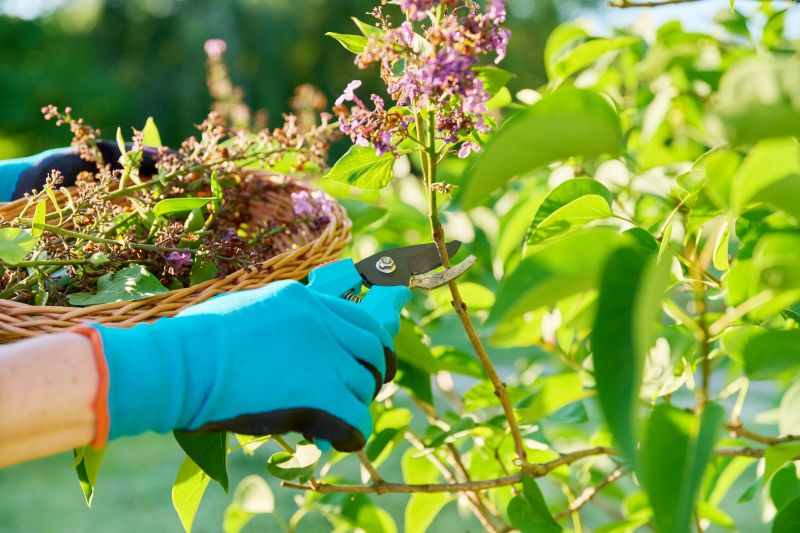
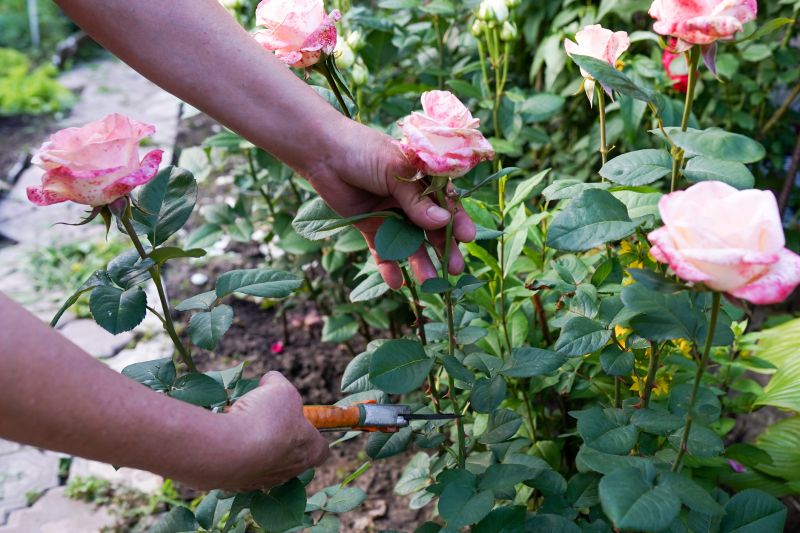
Prioritize your herb trimming needs and compare local service providers to find the best fit for your spring refresh.
- Herb Trimming - Spring is an ideal time to prune and shape herbs to promote healthy growth for the upcoming season. Local contractors can help with precise trimming to ensure herbs remain vibrant and productive. Proper trimming can also improve air circulation and prevent disease in herb gardens. Many service providers offer tailored herb maintenance to keep plants looking their best. Engaging local experts can help achieve a lush, well-maintained herb garden for spring and summer.
Compare herb trimming services across local contractors to ensure consistent quality and approach for your spring refresh.
- Define trimming scope - specify the types of plants or trees to be pruned and the extent of trimming required.
- Identify desired outcomes - determine the shaping, thinning, or health maintenance goals for the plants.
- Assess access and workspace - evaluate the area around the plants for safety and ease of equipment use.
- Determine tools and equipment needed - specify the types of tools and safety gear local contractors should use.
- Outline cleanup requirements - clarify expectations for debris removal and site tidiness after trimming.
When comparing local contractors for herb trimming during the spring season, it’s important to consider their experience with similar projects. Homeowners should look for service providers who have a track record of handling herb and shrub trimming tasks in residential settings, especially during the spring when plants are actively growing. An experienced contractor can better anticipate plant growth patterns, identify the specific needs of various herbs, and execute the work efficiently, resulting in a well-maintained garden that aligns with seasonal growth cycles.
Clear communication about the scope of work is essential when evaluating options. Homeowners should seek service providers who can articulate a detailed plan for herb trimming, including which plants will be pruned, the techniques to be used, and the areas to be addressed. A well-defined scope helps prevent misunderstandings and ensures that both parties agree on the expected outcomes. Service providers who can provide written descriptions of their approach demonstrate professionalism and transparency, making it easier to compare different options objectively.
Work planning considerations are another key factor in selecting a local contractor. Homeowners should inquire about how service providers plan their schedules, prepare for the project, and manage the workflow to minimize disruption. This includes understanding how they coordinate the timing of herb trimming with other garden maintenance tasks and whether they have the resources to complete the work efficiently. A contractor’s ability to develop a thoughtful plan that accounts for spring growth surges and seasonal plant care can lead to more consistent results and a smoother project experience.
Finally, when evaluating options, homeowners should focus on the experience and reputation of the service providers, as well as their approach to project planning and scope clarity. Asking for references or examples of similar projects can provide insight into their capabilities. It’s also beneficial to consider how service providers communicate and whether they demonstrate a thorough understanding of spring herb trimming needs. By carefully comparing these qualities, homeowners can select a contractor who is well-equipped to handle the seasonal pruning and refresh their garden’s appearance during this vibrant time of year.
Request written details to ensure clear scope and expectations for your spring herb trimming project.
- Scope Comparison - What specific trimming services do different local contractors offer for spring yard refreshes?
- Service Offerings - How do providers’ herb trimming techniques and tools vary during the spring season?
- Experience & Expertise - What experience do local service providers have with spring herb trimming projects?
- Service Scope - Do providers include pruning, shaping, or fertilizing as part of their herb trimming services?
- Specialization & Focus - Are some local contractors more focused on garden herb trimming versus landscape shrub maintenance?
What is herb trimming? Herb trimming involves carefully cutting and shaping plants to promote healthy growth, improve appearance, and prepare them for seasonal changes.
When is the best time for herb trimming in spring? Spring is an ideal time to trim herbs as it encourages new growth and helps plants recover from winter dormancy.
How can local contractors assist with herb trimming? Local service providers can evaluate plant needs, recommend trimming techniques, and perform the work efficiently to refresh garden spaces.
What tools are typically used for herb trimming? Common tools include pruning shears, scissors, and hedge trimmers, which help ensure precise cuts and healthy plant development.
Are there specific herb types that require special trimming techniques? Yes, different herbs such as basil, mint, and rosemary may need tailored trimming methods to support their growth and health.
How does professional herb trimming benefit a garden in spring? Professional trimming can enhance plant vitality, improve aesthetics, and prepare herbs for the active growing season ahead.
Herb trimming is an important step in maintaining healthy, thriving plants during the spring season. Visitors have learned how proper trimming techniques can support plant growth, improve appearance, and prepare herbs for the warmer months ahead. By exploring local contractors who specialize in herb care, homeowners can find experienced professionals ready to assist with their seasonal gardening needs.
Using the quote form to compare options from local service providers allows for an informed decision tailored to individual project requirements. Connecting with trusted local contractors ensures access to the expertise needed for herb trimming and seasonal plant maintenance, making it easier to plan a fresh and vibrant garden this spring.
Providing clear details about your herb trimming project helps local contractors understand your needs and plan effectively.
- Experience - Share details about your current herb plants and your goals for trimming.
- Herb Types - List the specific herbs you need trimmed or maintained.
- Property Details - Provide information about your outdoor space where the herbs are located.
- Preferences - Indicate any particular methods or styles you prefer for herb trimming.